



The Current Landscape of UK Horse Racing: What Happens When the Races Are Not On
Horse racing has long been a celebrated sport in the UK, capturing the hearts of millions and instilling a deep passion for not only the animals but also the excitement surrounding each race. However, there are times when races are not on, whether due to unforeseen circumstances, health crises, or changes in regulations. During these hiatuses, the horse racing community must adapt, and fans seek alternatives to maintain their enthusiasm. For those looking to continue their betting activities, one might consider UK horse racing not on GamStop horse racing betting not on GamStop, which provides options outside the usual confines.
The Importance of Horse Racing in UK Culture
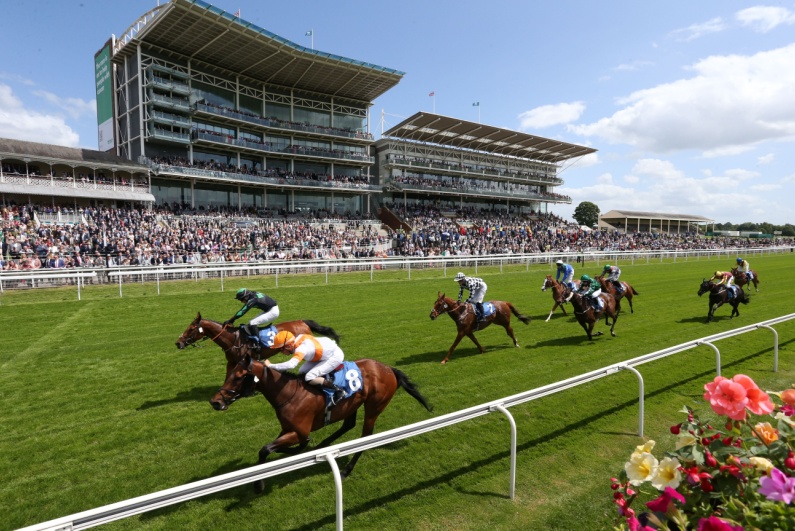
Horse racing is more than just a spectator sport in the UK; it is woven into the fabric of British culture. Major events like The Grand National and Royal Ascot attract not just avid racing fans, but also casual spectators who enjoy the social atmosphere, fashion, and overall excitement. The historical significance of horse racing is evident in its regulations, breeding practices, and the establishment of renowned racing institutions. Yet, when races are not being held, there’s a deep void in the social calendar for those who eagerly await these events.
What Leads to Races Being Cancelled or Postponed?
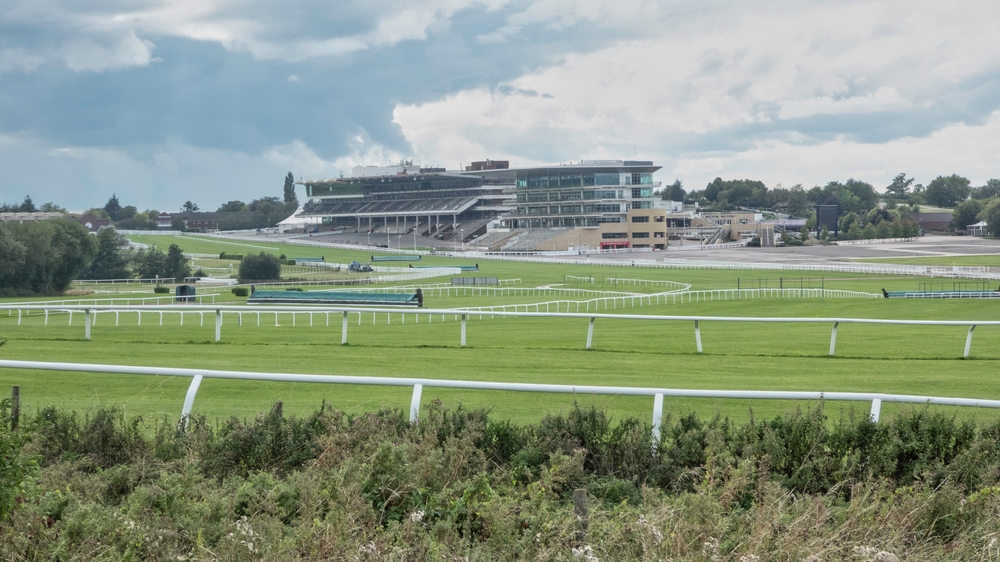
There are several factors that might lead to horse racing events being cancelled or postponed. Weather conditions are often a primary cause, with heavy rain or snow rendering tracks unsafe for both horses and jockeys. Regulations also play a role; changes in local laws, health concerns related to outbreaks (like equine influenza), or safety issues stemming from past incidents can lead racing authorities to cancel events. Additionally, the COVID-19 pandemic dramatically affected the racing calendar, forcing many events to either be held behind closed doors or postponed altogether.
Impact on Bets and Betting Activities
When races are not taking place, it profoundly affects the betting landscape. Many fans rely on stakes in races to make watching more exciting, and without these events, the betting activities dwindle. Moreover, bookmakers adjust their offerings based on the active racing calendar, which can lead to restrictions on wagering opportunities. Bettors need to stay informed about any changes to the calendar and seek out alternative options for betting.
Alternative Racing Events and Virtual Betting
In a time where live thoroughbred races might be unavailable, alternative racing events can fill the void. Digital platforms increasingly host virtual horse racing, allowing bettors to feel the thrill of betting without the physical presence of live events. These virtual races are computer-generated and offer attractive betting odds, providing an alternative to traditional betting patterns. Some punters find these to be a fun way to engage with the sport during downtime.
Engaging with Horse Racing Off-Season
When horse racing is not on, fans often engage with the sport through other means. This can include following horse breeding, attending training sessions, or watching documentaries that highlight the lives of famous horses and their connections. The off-season can be a fantastic opportunity to learn more about the intricacies of the sport, including horse care, training techniques, and the business side of racing.
How to Maintain Your Love for the Sport
For horse racing enthusiasts, maintaining engagement with the sport outside of live races is vital. One way to stay connected is by participating in discussions on online forums, social media groups, or racing clubs. Listening to podcasts or reading books about racing history and strategies can deepen knowledge and appreciation for the sport. Some fans even turn to fantasy leagues that revolve around horse racing, enabling them to create their own teams and simulate racing conditions based on real-life data.
Future of Horse Racing in the UK
Looking ahead, the future of horse racing in the UK remains bright, with anticipations for more robust safety protocols and technological advancements in digital betting. As challenges arise, the sport’s adaptability is evident in how quickly stakeholders respond to new circumstances. There has been a significant push towards responsible betting, which emphasizes the importance of providing a safe environment for punters, especially when concerns arise about gambling addiction or excessive risk. Engaging with reputable platforms that offer betting outside of self-exclusion programs, like GamStop, allows individuals to maintain responsible gaming while enjoying their passion for racing.
Conclusion: The Resilience of Horse Racing Culture
Even when UK horse racing is not on, the culture surrounding it demonstrates resilience. The sport has always thrived despite challenges – be it economic downturns, health crises, or market fluctuations. The dedication of fans, trainers, and owners alike ensures that the world of horse racing will continue to capture the imagination of many. For those longing for the thrill of betting, viable options are available, allowing enthusiasts to keep the spirit of racing alive even in its absence.